Choosing the right litter box for a multi-cat home isn't just about finding one that fits in the corner. Size, style, placement and accessibility can all affect how comfortably your cats use their boxes—and how easy those boxes are for you to maintain.
There isn't one perfect litter box for every cat. The goal is to create a setup that gives your cats comfortable options while making daily cleaning manageable for you.
1. Start With Enough Litter Boxes
A commonly recommended starting guideline is one litter box per cat, plus one additional box. For a home with three cats, for example, that would mean starting with four boxes.
Think of that as a useful guideline rather than a magic number. Your cats' ages, mobility, relationships, preferences and the layout of your home all matter.
Multiple boxes also work best when they're thoughtfully distributed. Four boxes sitting side by side may not provide the same choices as boxes placed in different appropriate areas of the home.
2. Choose a Box With Plenty of Room
Cats need enough usable space to enter, turn around, dig and position themselves comfortably. When comparing boxes, look at the interior floor space rather than relying only on the outside dimensions printed on the package.
Bigger can often be more comfortable, but the box still needs to fit your cat's physical abilities and your available space.
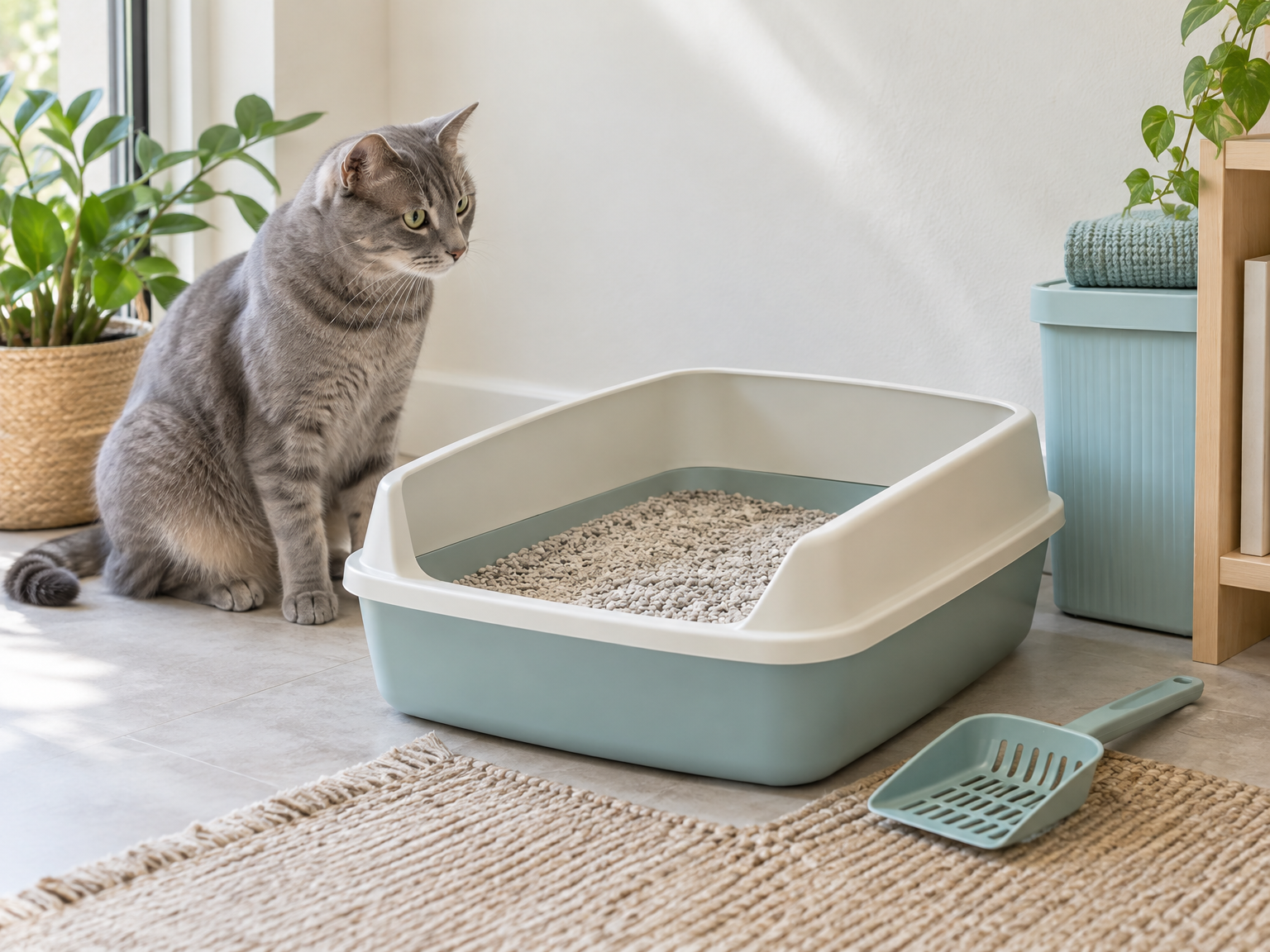
Pay attention to entry height too. A high-sided box may help contain scattered litter, while a lower entrance may be easier for kittens, senior cats or cats with mobility limitations.
3. Open or Covered? Let Your Cat Help Decide
Open litter boxes are easy to see into, simple to scoop and usually provide easy entry and exit. The tradeoff is that they may allow more litter to scatter outside the box.
Covered boxes can help contain some scattered litter and may fit better aesthetically in certain spaces. However, they can feel more confined, may hold odors if they aren't cleaned frequently, and can limit a cat's view or exit options.
Neither style is automatically best for every cat. If you're changing box styles, pay attention to which options your cats actually choose to use.
4. Think About Entry Style and Accessibility
Traditional boxes aren't the only option. High-sided, low-entry and top-entry designs can each solve different problems.
High-sided boxes can help contain kicked litter, but make sure your cat can enter comfortably.
Low-entry boxes may be easier for cats that have trouble stepping over a tall edge, although lower sides may allow more litter to escape.
Top-entry boxes can reduce some tracking and scattering, but they require a cat to jump in and out. They may not be appropriate for every cat, particularly cats with mobility limitations.
The best design is one your cat will comfortably and consistently use.
5. Placement Matters in a Multi-Cat Home
Put litter boxes in places that are easy for cats to reach without having to pass through a busy or potentially uncomfortable area.
Avoid locations where another cat could easily block the only entrance or exit. Quiet is helpful, but don't hide a box so far away that reaching it becomes inconvenient.
In larger or multi-level homes, having boxes in more than one area can give cats additional options.
Also consider the environment around the box. A noisy appliance, frequently closed door or cramped corner may make an otherwise good litter box less appealing.
6. Make Daily Cleaning Easy on Yourself
The best litter-box setup isn't only comfortable for your cats—it should also be practical enough for you to maintain consistently.
Place boxes where you can easily reach them with a scoop and cleaning supplies. A litter mat may help catch some tracked litter, and keeping basic supplies nearby can make quick daily scooping easier.
Regular cleaning also gives you an opportunity to notice changes in how often a box is being used.
7. Watch What Your Cats Tell You
You can research litter boxes all day, but your cats ultimately provide some of the most useful feedback.
Notice which boxes they use most often, which ones they avoid and whether certain locations seem more popular. In a multi-cat household, individual cats may have different preferences.
When introducing a new box or style, consider keeping familiar options available while your cats adjust rather than changing everything at once.
Quick Litter Box Setup Checklist
Before settling on your setup, ask:
• Do my cats have enough litter-box options?
• Can each cat enter, turn around and dig comfortably?
• Are the entrances appropriate for my cats' ages and mobility?
• Are boxes located in more than one useful area when possible?
• Can a cat enter and leave without another cat easily blocking the route?
• Are the boxes easy enough for me to scoop and clean regularly?
• Have I noticed that one style or location is consistently avoided?
The Best Setup Is the One That Works for Your Cats
A good multi-cat litter-box setup doesn't have to be complicated or expensive. Start with enough options, choose comfortable box sizes and styles, spread them thoughtfully throughout your home when possible, and keep them accessible and clean.
Most importantly, observe your cats. Their habits can tell you when a particular box, location or setup isn't working.
A sudden change in litter-box habits can sometimes be associated with a medical or behavioral issue rather than the box itself. If a cat suddenly begins avoiding the litter box, straining, urinating more or less often, or showing another significant change in toileting habits, contact your veterinarian for guidance.
Leave a Reply